Inquiry Through Play
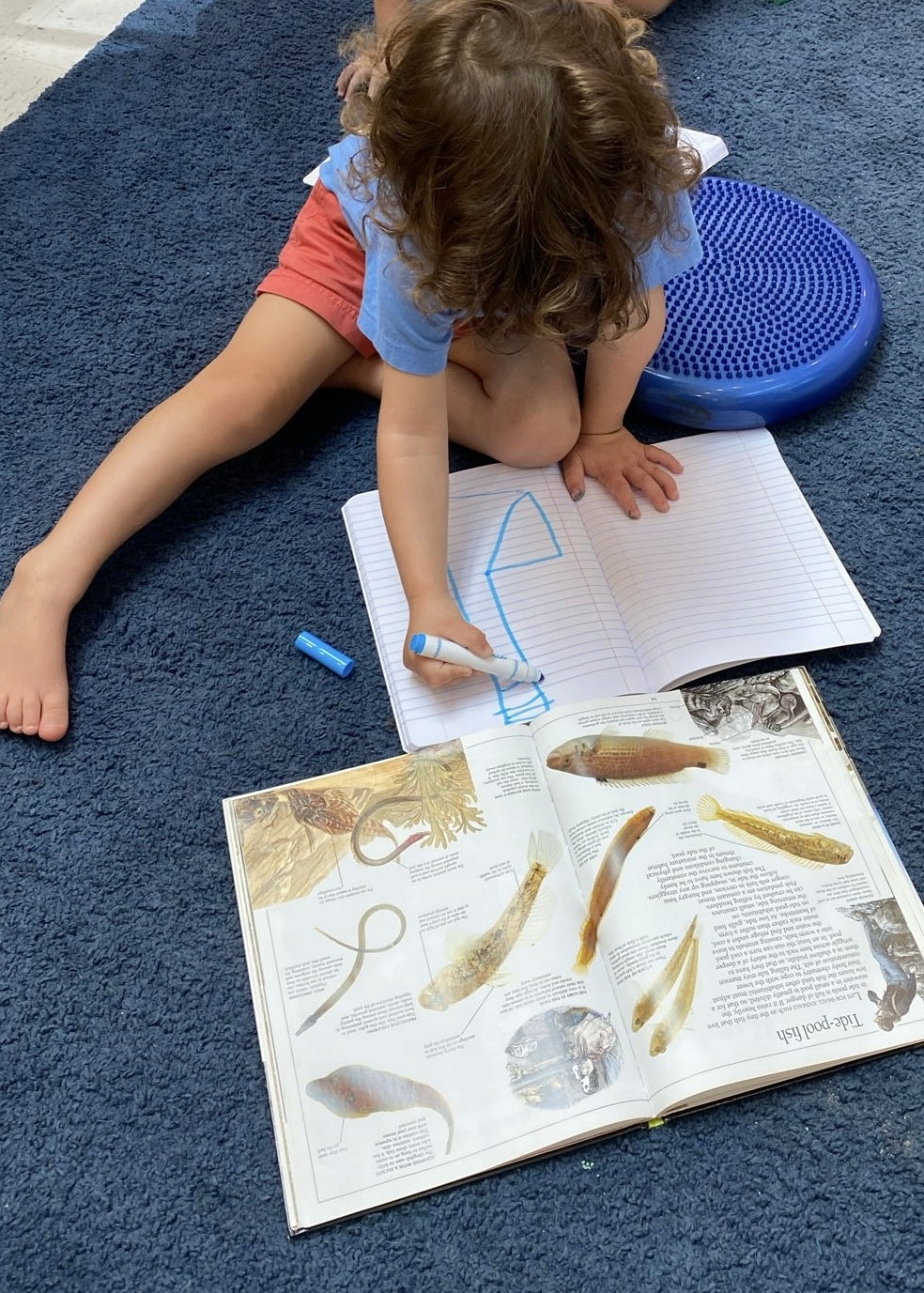
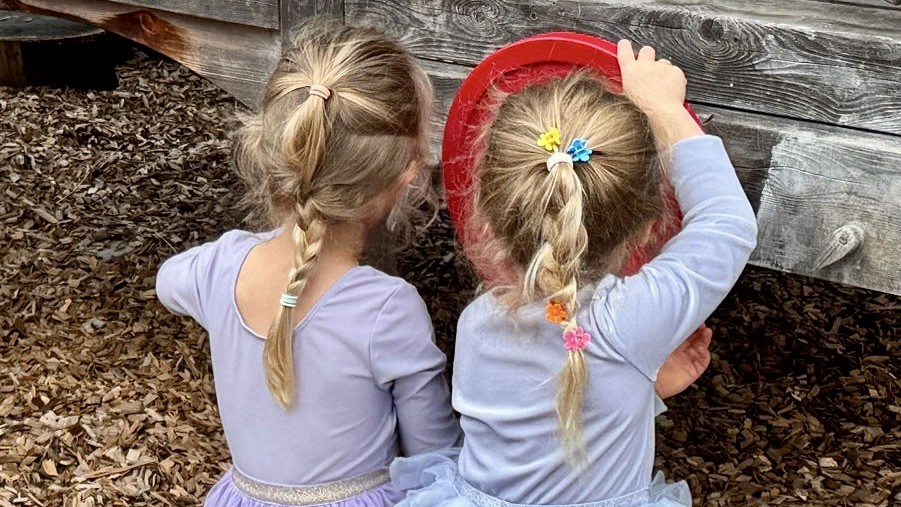
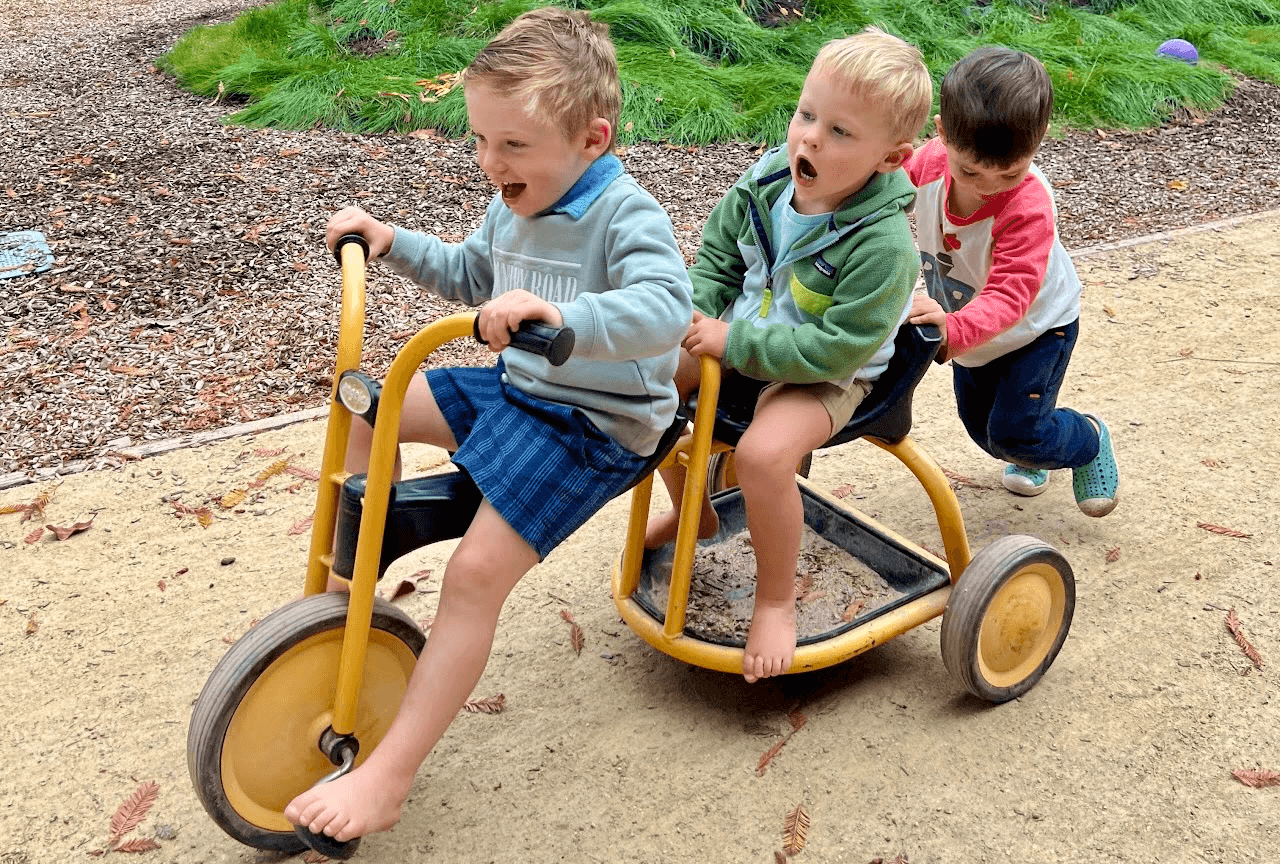
At Windmill School, curiosity and joy lead the way. Our play and exploration based curriculum grows from each child’s natural rhythm and their connections with others. Through guided play, children engage in inquiry, asking questions, experimenting, and discovering solutions, which nurtures critical thinking, creativity, and a lasting passion for learning. Through rich, learner-centered experiences, we also inspire social responsibility and a sense of community. Here, children and families thrive in a vibrant, inclusive environment, where every day offers opportunities for discovery, growth, and meaningful involvement.
The Image of the Child
At Windmill, we see every child as capable, curious, and full of potential. Their ideas guide learning, spark growth, and shape the discoveries they make in our environment.
The Third Teacher: Environment
The environment is our third teacher, shaping spaces where children and teachers collaborate, explore, and build knowledge together.
The Role of the Teacher
Teachers at Windmill listen, observe, and document each child’s journey, supporting and extending their ideas while guiding learning through curiosity, exploration, and discovery.
Emergent Curriculum
Our curriculum follows children’s interests, with teachers guiding exploration through thoughtful questions and reflection.
Our classrooms and outdoor spaces are intentionally designed to spark curiosity while also providing the comfort of familiar routines. Within this balance of structure and freedom, children learn to see themselves as capable thinkers and valued members of a community.
At Windmill, inquiry is not a single activity but an ongoing cycle of discovery. We use the process of
to guide children’s learning and make their thinking visible.
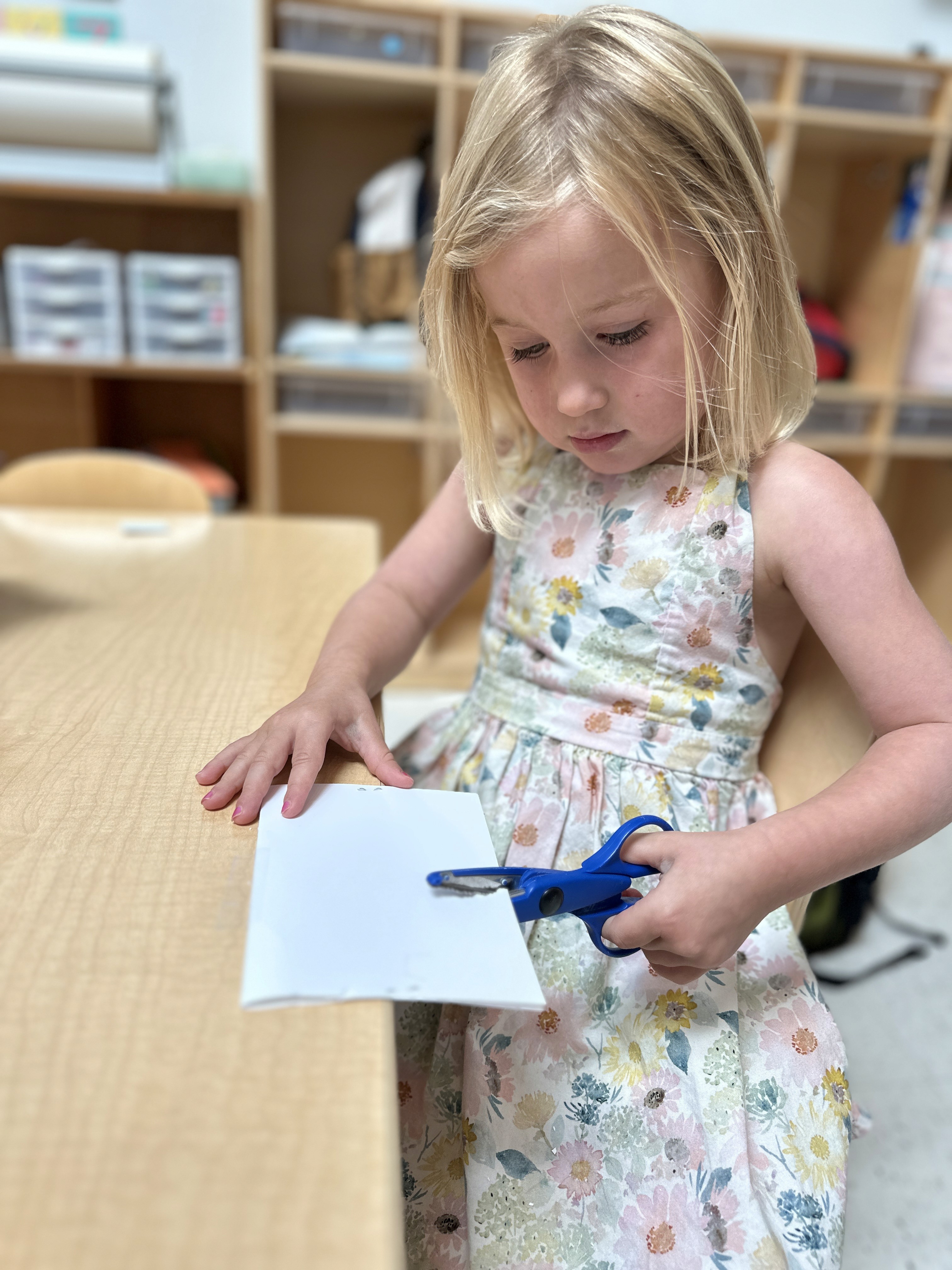
Children begin by noticing details in their play and surroundings. From there, they naturally wonder and question, sparking curiosity that drives exploration. With support from teachers, they research through hands-on play, investigation, and collaboration. As they analyze, children connect new discoveries with what they already know, deepening their understanding. Finally, they reflect, sharing their ideas, stories, and theories, which often lead to new observations and questions.
This cycle honors children as capable thinkers and shows that learning is not about quick answers but about curiosity, connection, and growth. It reflects our belief that play and inquiry are deeply intertwined: play sparks the questions, and inquiry gives children the tools to explore them.
Play inspires the questions that drive inquiry
Inquiry deepens the learning that emerges from play
Children’s ideas are valued, celebrated, and made visible
Teachers guide and enrich learning by building from children’s natural interests